Engineering partnership / concept to production
Aerospace Engineering & Development
From early requirements and trade studies through prototype hardware, qualification units and production-ready designs.
- Design & analysis
- Manufacturing continuity
- Prototype to production
Engineering Partnership From Day One
Aerospace pressure vessels are rarely simple catalog components. Pressure, volume, mass, packaging, gas compatibility, temperature, interfaces, load paths, service life and qualification basis all interact. Steelhead engineers work with customer teams to balance those requirements and develop hardware that can be manufactured and qualified.
- Requirements & sizingRequirements review, sizing, trade studies and concept development.
- Pressure-vessel designComposite pressure-vessel design and design optimization.
- AnalysisNetting analysis, composite structural analysis and finite-element analysis.
- Ports & interfacesPort, valve and interface development around the system.
- ManufacturabilityDesign for manufacturability, build-to-print review and manufacturing support.
- Hardware & qualificationPrototype and development hardware, qualification planning and production transition.
Design & analysis
Review the Architecture Before Committing to Hardware
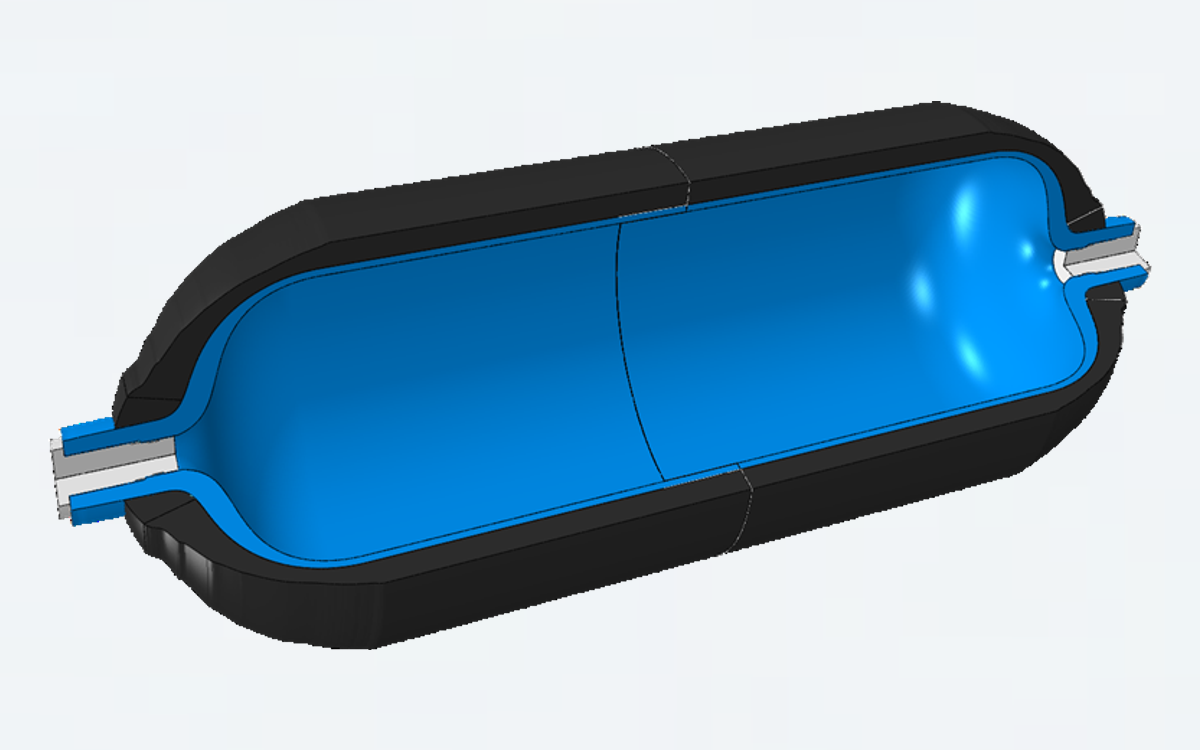
Steelhead brings structural analysis and manufacturability considerations into pressure-vessel development. Models support design review and optimization around the program’s requirements.
Analysis Informed by the Real Design
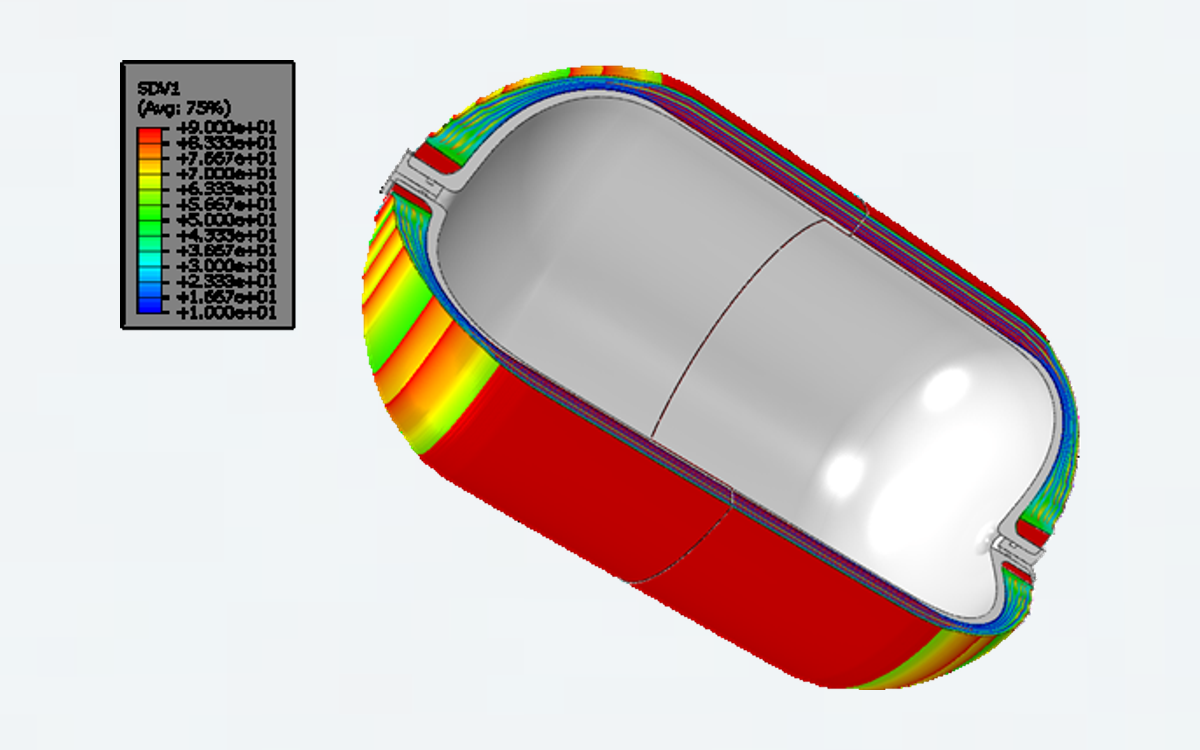
Netting analysis, composite structural analysis and finite-element analysis support the development process.
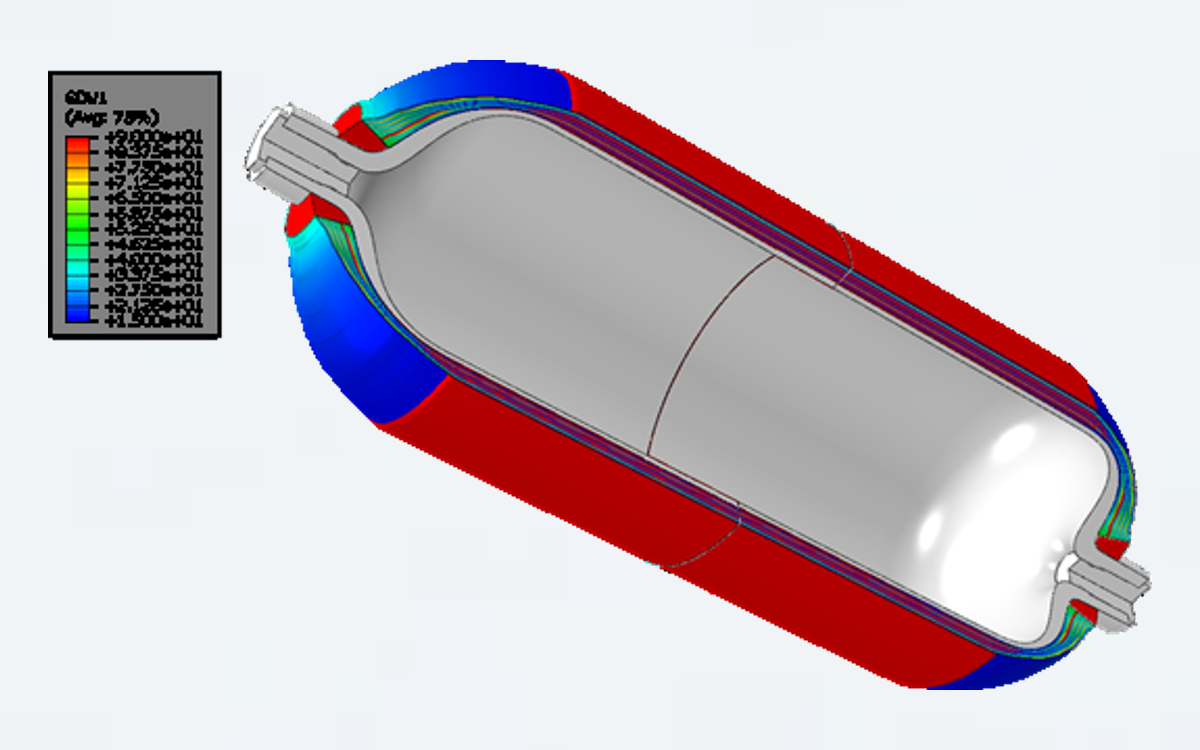
Composite vessel section with the original result colors and legend.
Second supplied analysis view with its original result colors and legend.
Illustrative analysis views. Results are configuration-specific and are not ratings for all Steelhead vessels.
Prototype to Production
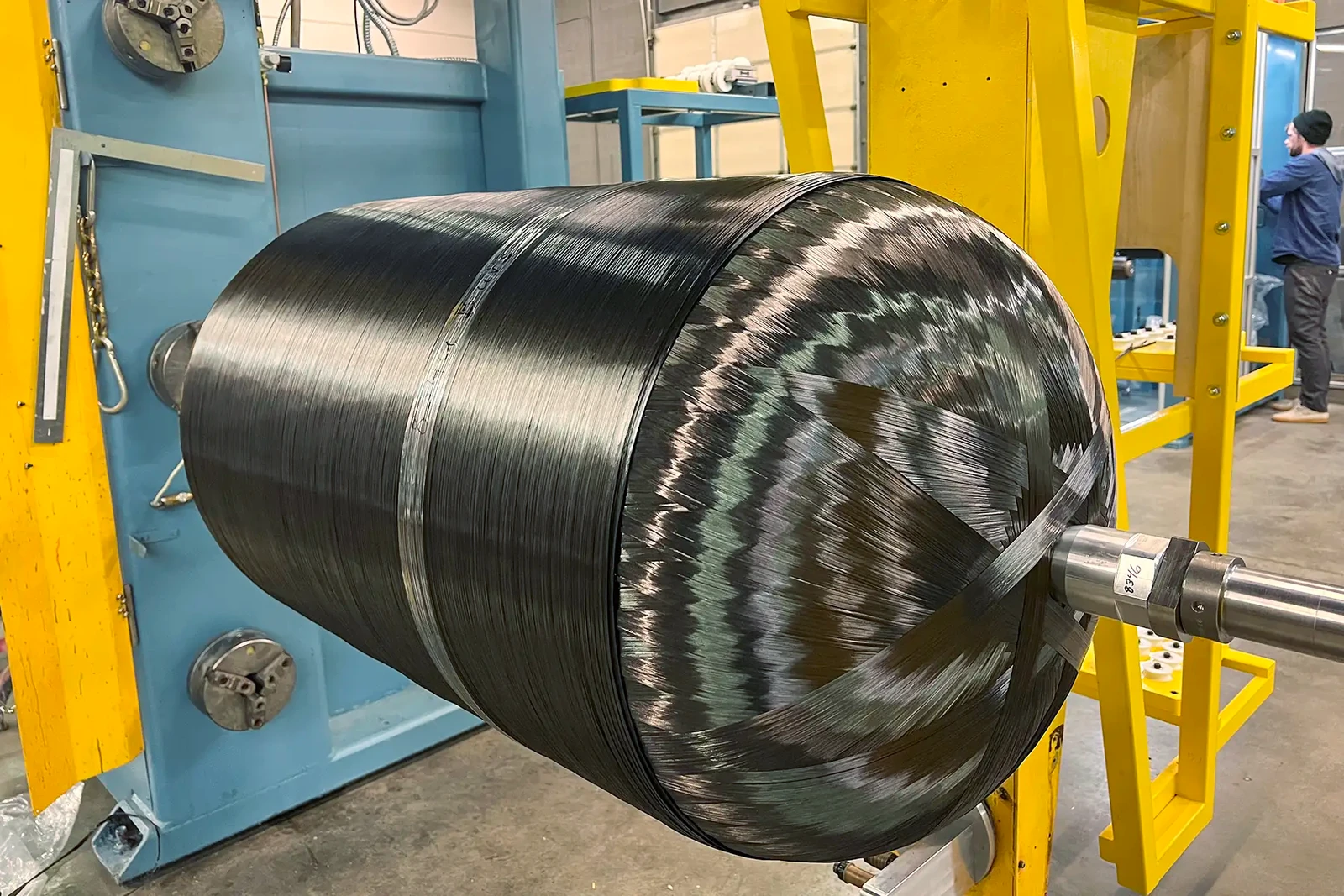
A successful prototype is not the finish line. Engineering knowledge, liner manufacturing, winding processes, tooling, testing and quality feedback stay connected as a program progresses.
Development hardware
Review requirements, trade studies, design and manufacturability.
Qualification units
Connect prototypes and test results with the qualification path.
Low-rate production
Maintain continuity in tooling, manufacturing and quality feedback.
Scalable manufacturing
Carry the program knowledge into repeatable production.
American-made manufacturing
Keep Design and Manufacturing Connected
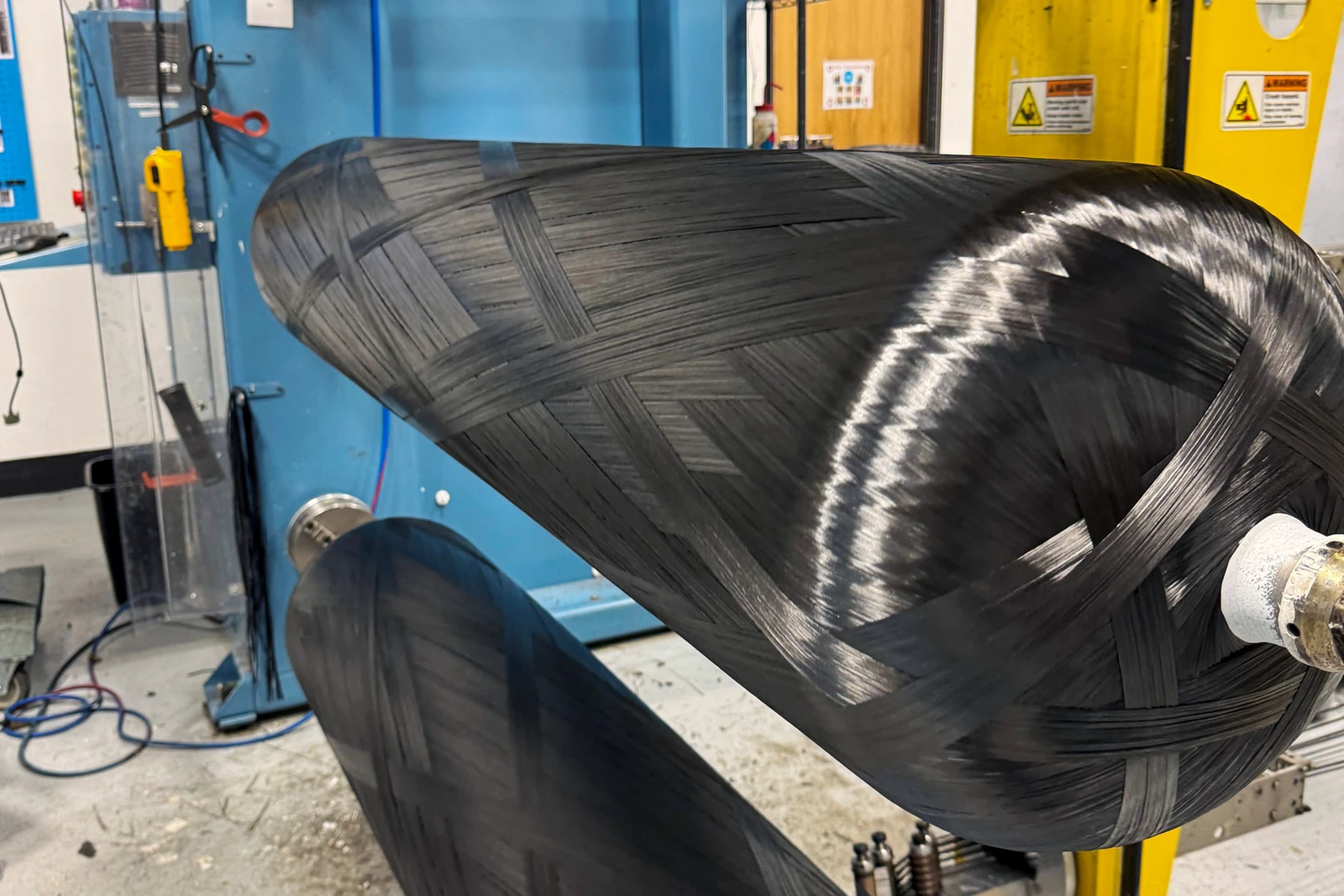
Steelhead’s U.S.-based manufacturing capabilities include liner fabrication, machining, filament winding, curing, finishing, assembly and test. The emphasis is process control and continuity from development to production.
Start the conversation
Start With What You Know
Complete specifications are not required for an initial conversation. Bring the target pressure, available envelope, gas or fluid, mass target, applicable standards, estimated quantity and program schedule. Steelhead can help define the next engineering step.
Useful inputs for the first review
Application & contents
The mission, gas or fluid, and intended function.
Pressure & volume
Operating pressure, stored volume and duty cycle.
Mass & packaging
The available envelope, mass target, ports and mounting.
Environment & qualification
Operating environment, qualification basis and applicable requirements.
Hardware & quantities
Prototype needs and anticipated production quantities.
Program schedule
Development milestones and target delivery dates.
Start with the requirement
Bring the Requirement. Build the Development Path.
Use the aerospace consultation form for a preliminary, nonrestricted inquiry. Steelhead can help identify the next engineering step.